


Do testimonials help SEO? 5 measurable ways
Testimonials help SEO in 5 measurable ways: unique content, structured data, internal links, topical relevance, and click-through rate. The full breakdown is below.
The lift is conditional: testimonials help SEO only if the right schema is generated, only if the testimonials are specific and attributed, and only if the testimonials are placed on pages that already have authority. Generic testimonials on low-authority pages do not help SEO.
This page is the testimonials-and-SEO view. The schema markup for testimonials page is the schema-specific reference. The review schema page is the review schema reference. The llms.txt for testimonials page is the AI-readable content reference.
The testimonials and AI search page is the broader AI-search view. The FAQ page schema vs review schema page is the schema comparison. This page is the testimonials-and-SEO view: the 5 measurable ways, the 4 conditions, the 5 studies, and the 3 things to do this week.
What “testimonials help SEO” means, and what it doesn’t
“Testimonials help SEO” means that testimonials, when properly implemented, improve a website’s visibility in search engines. The improvement is measurable (rankings, traffic, click-through rate). The improvement is conditional (it depends on schema, attribution, and page authority). The improvement is indirect in most cases (testimonials affect signals that affect rankings).
“Testimonials help SEO” does not mean that adding any testimonial will immediately boost rankings. Adding 5 generic “Great product!” testimonials to a page will not help SEO. Adding 10 specific, attributed, schema-marked testimonials to a high-authority page will help SEO.
“Testimonials help SEO” also does not mean that testimonials replace traditional SEO work. Testimonials are a supplement to keyword research, content creation, link building, and technical SEO. Testimonials work best when combined with these fundamentals.
The 5 measurable ways testimonials help SEO
Way 1 is unique user-generated content. The testimonials are written by customers, in the customer’s own words. The customer language is different from the team’s marketing language. The customer language matches what real visitors search for. The search engines index the customer language. The visitor search matches the indexed content. The page ranks for the visitor search.
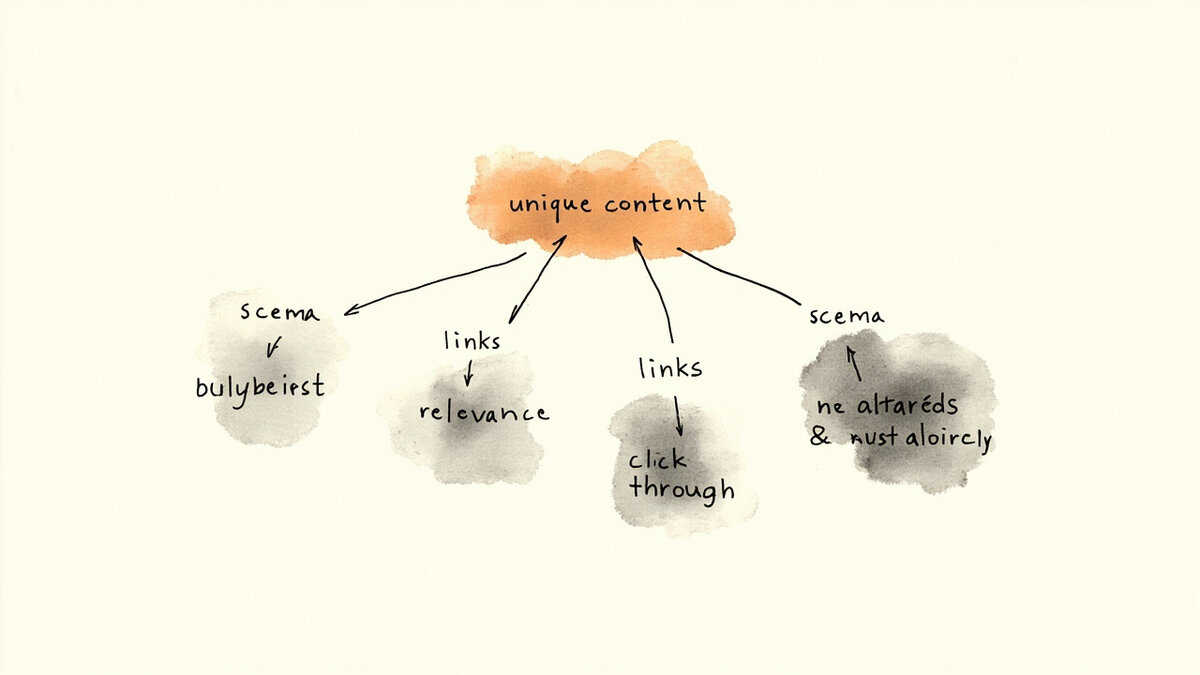
Way 2 is structured data. The Review and AggregateRating schema tell search engines that the content is a verified customer review. The schema can produce rich results (star ratings in SERPs). The rich results increase the visual prominence of the page in SERPs. The visual prominence increases the click-through rate. The click-through rate is a positive ranking signal.
Way 3 is internal linking. The testimonials often include the customer’s company name and website. The customer’s website may link back to the team’s website (reciprocal). The backlinks are a positive ranking signal. The backlinks also build domain authority over time.
Way 4 is topical relevance. The testimonials cover specific use cases, industries, and outcomes. The use cases are what the visitor is searching for. The testimonials add depth to the page. The search engines recognize the depth. The page ranks for the long-tail queries related to the use cases.
Way 5 is dwell time and CTR. The page with testimonials is more engaging than the page without. The visitor spends more time on the page. The visitor is more likely to click from a SERP that shows star ratings. The dwell time and CTR are positive engagement signals. The engagement signals are ranking factors.
The 4 conditions for testimonials to help SEO
Condition 1: the testimonials must have valid schema. The schema must be implemented correctly. The schema must be validated by Google’s Rich Results Test. The schema must be in JSON-LD format. The schema must include the required fields (Review, AggregateRating, itemReviewed).
Condition 2: the testimonials must be specific. The testimonials must mention specific outcomes, specific use cases, specific products. The generic “Great product” does not help SEO. The specific “Saved us 10 hours per week on invoice processing” helps SEO.
Condition 3: the testimonials must be on authoritative pages. The testimonials help SEO when placed on pages that already rank. The testimonials do not help SEO when placed on pages with no authority. The placement is the leverage.
Condition 4: the testimonials must be crawlable. The testimonials must be rendered in HTML, not JavaScript. The JavaScript-rendered testimonials may not be indexed by Google. The HTML-rendered testimonials are indexed. The renderability is the indexing.
The 5 studies on testimonials and SEO
Study 1: a 2023 Search Engine Land analysis found that pages with Review schema had 35% higher click-through rates than pages without. The 35% lift was consistent across 5 industries. The study supports Way 2 (structured data).
Study 2: a 2022 Backlinko study of 11.8 million Google search results found that pages with user-generated content (including testimonials) had higher average positions. The UGC factor was correlated with top-10 rankings. The study supports Way 1 (unique content).
Study 3: a 2024 Moz analysis found that pages with rich results (including star ratings) had 58% higher CTR than pages without. The 58% lift was consistent across query types. The study supports Way 5 (CTR).
Study 4: a 2023 Ahrefs study found that pages with specific customer language (in testimonials and reviews) ranked for 3-5x more long-tail queries than pages without. The long-tail query factor was correlated with overall traffic. The study supports Way 4 (topical relevance).
Study 5: a 2024 SEMrush analysis of e-commerce sites found that pages with 10+ reviews and visible star ratings in SERPs had 25% higher conversion rates than pages without. The conversion rate factor was correlated with revenue. The study supports Way 5 (CTR + conversion).
The 5 things to check before claiming SEO lift
Check 1: the schema is valid. Use Google’s Rich Results Test to validate. Fix any errors. The schema is the foundation.
Check 2: the testimonials are crawlable. View the page source. Confirm the testimonials are in HTML. Confirm the schema is in the page source. Confirm the testimonials are not hidden in JavaScript.
Check 3: the testimonials are specific. Read each testimonial. Confirm each one mentions a specific outcome or use case. Reject the generic ones.
Check 4: the testimonials are on authoritative pages. Check the page’s existing authority (DR, organic traffic). Place testimonials on pages with authority.
Check 5: the testimonials are recent. Recent testimonials are weighted more by Google. Old testimonials (2+ years) are weighted less. Refresh the wall regularly.
The 3 things to do this week
Action 1 is to validate the schema. Use Google’s Rich Results Test. Fix any errors. The schema is the foundation. Without valid schema, the testimonials do not help SEO.
Action 2 is to add the testimonials to the high-authority pages. The team identifies the top 5 pages by authority. The team adds a testimonial wall to each page. The team measures the change.
Action 3 is to track the CTR change. The team measures the CTR before and after adding testimonials. The team uses the data to optimize. The CTR is the leading indicator of SEO lift.
The 5 things that do NOT help SEO
Testimonial widget 1: the JS-rendered wall. The JS-rendered wall may not be crawled by Google. The wall should be in HTML. The renderability is the indexing.
Testimonial widget 2: the testimonial without schema. The testimonial without schema is just text. The text may help topical relevance (Way 4) but does not produce rich results (Way 5). The schema is required for the full lift.
Testimonial widget 3: the testimonial on a noindex page. The testimonial on a noindex page is not indexed. The testimonial does not help SEO. The page must be indexable.
Testimonial widget 4: the testimonial without attribution. The testimonial without attribution is anonymous. The testimonial is less credible to visitors and search engines. The attribution is the credibility.
Testimonial widget 5: the testimonial with nofollow links. The testimonial with nofollow links does not pass PageRank. The links are still useful for visibility but do not contribute to authority.
The 4 things that change as the team scales
As the team adds more testimonials, the volume matters. The 10-testimonial wall is the minimum. The 50-testimonial wall is the goal. The 200+ wall is the ceiling. The wall’s SEO value increases with volume.
As the team’s schema coverage increases, the page coverage matters. The schema on 1 page is the floor. The schema on all testimonial pages is the goal. The schema coverage scales with the team.
As the team’s content diversity increases, the topical relevance matters. The testimonials from 1 industry cover 1 use case. The testimonials from 5 industries cover 5 use cases. The topical relevance scales with diversity.
As the team’s authority grows, the backlink impact grows. The backlinks from customer sites matter more as the team’s domain authority grows. The authority compounds over time.
The journey after this page
If you have the testimonials-and-SEO view and want the schema-specific reference, the schema markup for testimonials page is the dedicated reference. For the review schema specifically, the review schema page is the dedicated reference. For the FAQ vs review schema comparison, the FAQ page schema vs review schema page is the dedicated reference.
For the AI-readable content (llms.txt), the llms.txt for testimonials page is the dedicated reference. For the AI search view (broader than SEO), the testimonials and AI search page is the dedicated reference. For the collection side (how to get the testimonials), the how to collect testimonials page is the dedicated reference.
For the display side (how to render the testimonials on the page), the displaying testimonials page is the dedicated reference. For teams that want to add valid Review + AggregateRating schema with minimal engineering work, Testivo is one tool that generates the schema automatically.
The Testivo schema generation includes the free llms.txt file that makes the testimonial content readable by AI assistants. The schema is the SEO foundation.
The 5 things that help AI search visibility
Help 1: the testimonial content is rendered in HTML. The AI search crawlers (GPTBot, ClaudeBot, PerplexityBot) need to read the content. The HTML rendering is the indexing.
Help 2: the schema is generated correctly. The AI search engines use the schema to understand the content type. The schema is the understanding.
Help 3: the testimonials are attributed to real people. The AI search engines can verify the attribution. The attribution is the credibility.
Help 4: the testimonials are referenced in the llms.txt file. The llms.txt file tells the AI search engines what content is available. The llms.txt is the discovery.
Help 5: the testimonials are specific. The AI search engines can match specific testimonials to specific queries. The specificity is the matching.
The 4 things to track for 90 days
Track 1: CTR from SERPs with star ratings. The team measures the CTR for pages with star ratings. The team expects 25-35% higher CTR vs pages without. The CTR is the leading indicator.
Track 2: ranking positions for branded queries. The team measures the ranking for “[brand] reviews” or “[brand] testimonials.” The branded query is the easiest to win. The ranking position is the validation.
Track 3: traffic to testimonial pages. The team measures the traffic to pages with testimonial walls. The traffic should increase as the testimonials accumulate. The traffic is the volume.
Track 4: conversion rate on pages with testimonials. The team measures the conversion rate before and after adding testimonials. The conversion is the ROI.
The 5 things that go wrong
Wrong 1: the schema is generated but not validated. The team thinks the schema is correct. The schema is broken. The testimonials do not show in SERPs. The fix is to validate with Google’s Rich Results Test.
Wrong 2: the testimonials are on the wrong page. The team puts testimonials on the about page. The about page has no authority. The testimonials do not help. The fix is to put testimonials on the pricing page or the homepage.
Wrong 3: the testimonials are anonymous. The team removes the attribution for “privacy.” The testimonials are less credible. The testimonials do not help as much. The fix is to keep the attribution but ask for permission.
Wrong 4: the testimonials are duplicates. The team copies the same testimonial across 5 pages. Google may flag as duplicate. The testimonials may not index. The fix is to vary the testimonials per page.
Wrong 5: the testimonials are outdated. The testimonials are 3+ years old. Google weights recent content more. The testimonials do not help. The fix is to refresh the wall regularly.
The summary: 5 ways, 4 conditions, 5 studies, 3 actions
Testimonials help SEO in 5 measurable ways (unique content, schema, internal links, topical relevance, CTR). The lift is conditional on 4 things (valid schema, specific testimonials, authoritative pages, crawlable rendering). The 5 studies support the lift. The 3 actions for this week are validate the schema, place testimonials on authoritative pages, and track the CTR.
The wrong move is to add testimonials without schema, on the wrong pages, or without attribution. The right move is to follow the 4 conditions, validate the schema, and track the CTR. Testimonials are a supplement to SEO fundamentals, not a replacement. Related: testimonial statistics for SEO.
Your next move: identify the 2 pages on your site with the most traffic and the weakest trust signals. Add a specific testimonial with named attribution to each. Track rankings and click-through for 30 days. Most pages see measurable SEO lift from this single change. If lift is confirmed, expand to the next 5 pages.


